


2026/11/27
The short answer: Japanese restaurant etiquette is simpler than most visitors expect. Book ahead and arrive on time, use the hot towel for your hands, don’t pass food from chopsticks to chopsticks, and pay at the end without leaving a tip. At a counter restaurant, it is fine to talk to the chef. Asking questions is part of the experience, not a breach of manners.
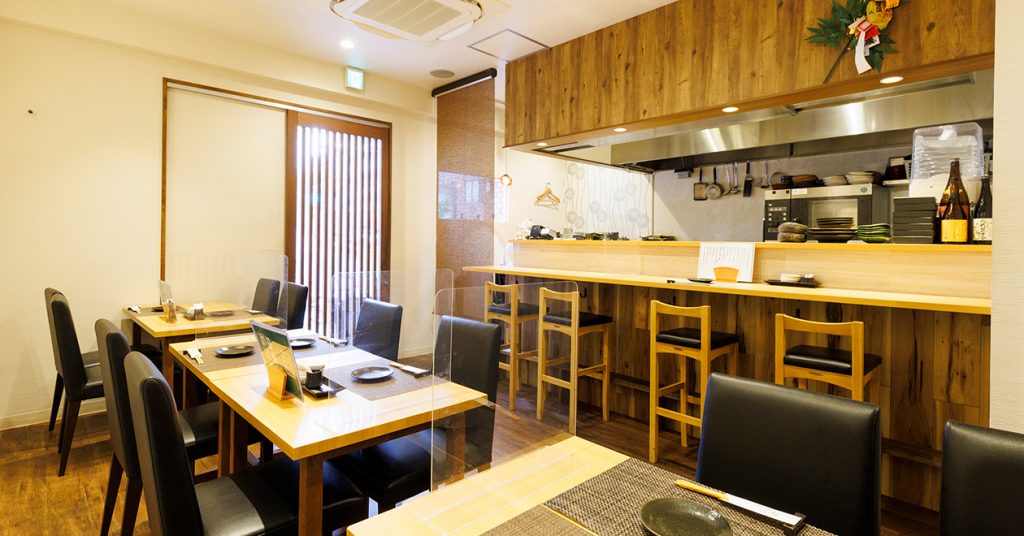
Here is a practical guide for your first dinner at a small Japanese restaurant, from booking to paying the bill.
Before you go: booking and arriving
- Book ahead. Many Japanese restaurants have only a few seats, and the kitchen prepares ingredients based on reservations.
- Tell them about allergies when you book. It is much easier for the kitchen to adjust a meal before it has been prepared.
- Arrive on time, and call if you will be late. At a small restaurant, a late arrival or a no-show affects the whole evening’s preparation.
- Skip strong perfume. It gets in the way of the food’s aroma, especially at a counter.
At the table: oshibori, chopsticks and ordering
When you sit down, you will usually be given an oshibori, a hot or cold towel. Use it to wipe your hands before eating.
A few chopstick habits to avoid:
- Passing food from your chopsticks to someone else’s chopsticks
- Sticking chopsticks upright in a bowl of rice
- Pointing with chopsticks or waving them in the air
When you are not using them, rest your chopsticks on the chopstick rest, if there is one.
If you are not sure what to order, say “Omakase de onegaishimasu” (“I’ll leave it to you”), and the chef will choose for you.
At the counter: talking to the chef
Counter seats are popular because you can watch the chef work. It is completely normal to ask what a dish is, where the fish came from, or what sake would go with it. Just avoid interrupting while the chef is in the middle of cutting or plating.
A quick photo of your own plate is usually fine. Ask before filming, and avoid taking pictures of other guests.
Eating: a few small things that help
- Eat dishes while they are fresh. At a counter, food is timed to be eaten right away.
- It’s fine to lift small bowls. Holding a soup or rice bowl close to your mouth is normal in Japan.
- Slurping noodles is acceptable. It is not considered rude at the end of a meal of soba or udon.
- Use a little soy sauce. Dip the edge of the fish, not the rice, and avoid filling the dish to the brim.
Paying: no tipping
Tipping is not part of Japanese restaurant culture, and leaving money on the table can cause confusion. Good service is already included. Ask for the bill by saying “Okaikei onegaishimasu”. Many restaurants accept credit cards, but small places sometimes take cash only, so check in advance.
Useful phrases
| Japanese | Meaning |
|---|---|
| Itadakimasu | Said before eating |
| Omakase de onegaishimasu | I’ll leave it to you |
| Kore wa nan desu ka? | What is this? |
| Okaikei onegaishimasu | The bill, please |
| Gochisousama deshita | Thank you for the meal (said when leaving) |
A relaxed counter dinner at Washoku Yu
Washoku Yu has three counter seats and tables that can be joined for groups of up to 12. Chef Yonezawa, who trained at a kappo restaurant in Kitashinchi and cooked at a Japanese official residence in Australia, is used to guests who are trying Japanese food for the first time. Set menus for international visitors start at 5,500 yen including tax, and credit cards are accepted.
For hours, access and booking, see our English page. If you have dietary needs, read Food Allergies and Dietary Restrictions in Japan before you book.
For more travel tips, see the Japan National Tourism Organization.
FAQ
Should I tip at a restaurant in Japan?
No. Tipping is not customary in Japan, and service is already included in the price.
Is it rude to talk to the chef at a counter restaurant?
No. Talking with the chef is part of counter dining. Just avoid interrupting while they are cutting or plating.
What should I do with the hot towel?
The oshibori is for wiping your hands before you eat. Fold it and leave it beside your plate afterward.
Can I take photos of my food?
A quick photo of your own plate is usually fine. Ask before filming, and avoid photographing other guests.