


2026/11/12
The short answer: from December to February, the Japanese foods worth looking for in Osaka are winter yellowtail (kan-buri), snow crab, fugu (pufferfish), oysters, and winter vegetables like turnip, daikon and ebi-imo taro. Cold water makes fish richer and fattier, and frost makes vegetables sweeter. Winter is when Japanese food is at its most satisfying.
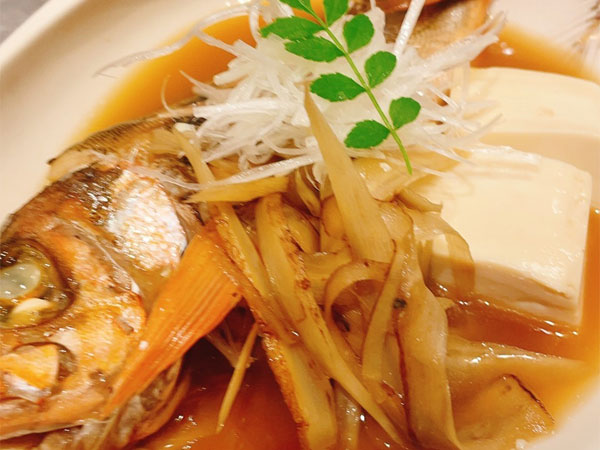
If you’re visiting Osaka in winter, here’s what’s in season and how you’re likely to see it on a Japanese menu.
Why winter fish taste better
You’ll often see the character 寒 (kan, “cold”) in front of fish names in winter: kan-buri, kan-saba, kan-garei. Fish build up fat to get through the cold sea, so the same fish can taste completely different in January than it does in July.
What to eat in Osaka from December to February
Kan-buri (winter yellowtail)
The star of the winter menu. As sashimi it’s rich and almost melting. It’s also grilled teriyaki-style, or simmered with daikon radish in a dish called buri daikon.
Snow crab (zuwaigani)
In the Kansai region, winter crab means snow crab from the Sea of Japan coast of Hyogo and the San’in area. The season opens in early November. You’ll see it boiled, grilled, dressed with vinegar, or baked in its own shell with the crab miso (kora-yaki).
Fugu (pufferfish)
Osaka is known for its love of fugu. It’s served as paper-thin sashimi (tessa), in a hot pot (tecchiri), and finished with rice porridge made in the leftover broth. Chefs need a special license to prepare fugu, so only eat it at restaurants that serve it.
Oysters
Oysters arrive around November and get plumper as winter goes on. In Japanese cooking they’re served raw with ponzu-style vinegar, in a miso hot pot (dote-nabe), deep-fried, or cooked into rice.
Turnip, daikon and ebi-imo
Winter vegetables get sweeter in the cold. Kyoto’s large shogoin turnip is grated and steamed over fish (kabura-mushi). Daikon is simmered slowly in dashi (furofuki daikon). Ebi-imo, a type of taro, has a smooth, sticky texture and is usually simmered or fried.
Winter dishes you’ll see on a Japanese menu
- Steamed dishes (mushimono): chawanmushi egg custard or kabura-mushi, served piping hot with a thickened dashi sauce.
- Simmered dishes (takiawase): daikon and taro gently cooked in seasoned dashi.
- Hot pots (nabe): fugu, oyster or yellowtail shabu-shabu.
- Grilled dishes (yakimono): teriyaki yellowtail, crab baked in the shell.
Winter is also the season for warm sake. A junmai or yamahai served nurukan (around 40°C) is a great match for simmered dishes. Our guide to ordering sake explains the terms.
A few tips for eating in winter
- Try yellowtail two ways. Raw, you taste the richness. Grilled, you get the savory caramelized edges.
- Book crab and fugu ahead. Supplies are limited, and most restaurants serve them by reservation.
- Don’t skip the rice at the end. The rice porridge made in the last of the hot pot broth is one of the best things about winter in Japan.
Winter at Washoku Yu
Our menu changes daily with the market, so what you’ll find in winter depends on what Chef Yonezawa buys that morning. If there’s something you’d love to try, like crab or yellowtail, tell us when you book and we’ll do our best to include it. Our visitor set menu of sashimi, tempura and seared wagyu sukiyaki (5,500 yen) is available every day we’re open. For autumn, see What to Eat in Osaka in Autumn.
For more background, see Japan's traditional foods (Ministry of Agriculture, Forestry and Fisheries).
FAQ
What Japanese food is in season in winter?
Winter yellowtail, snow crab, fugu, oysters, and vegetables such as turnip, daikon and ebi-imo taro.
When is snow crab season in Kansai?
The season on the Sea of Japan coast of Hyogo and the San’in region usually opens in early November and runs through winter.
Is fugu safe to eat?
In Japan, fugu can only be prepared by licensed chefs. Eat it at restaurants that serve it, never prepared at home.
Can I request winter ingredients at Washoku Yu?
Yes. Tell us when you book, and we’ll include it in your course if we can get it that day.
About Washoku Yu
Washoku Yu is a small kappo-style Japanese restaurant near Shin-Osaka Station (about 9 minutes on foot) and Higashi-Mikuni Station on the Osaka Metro Midosuji Line (about 5 minutes). Chef Yonezawa trained at the kappo restaurant Ishiwakawa in Kitashinchi and later cooked at a Japanese official residence in Australia.
Open 17:00 to 22:00, closed Sundays. To book, call +81-90-7965-9963 or email info@wasyoku-yuu.com. More details are on our English page.